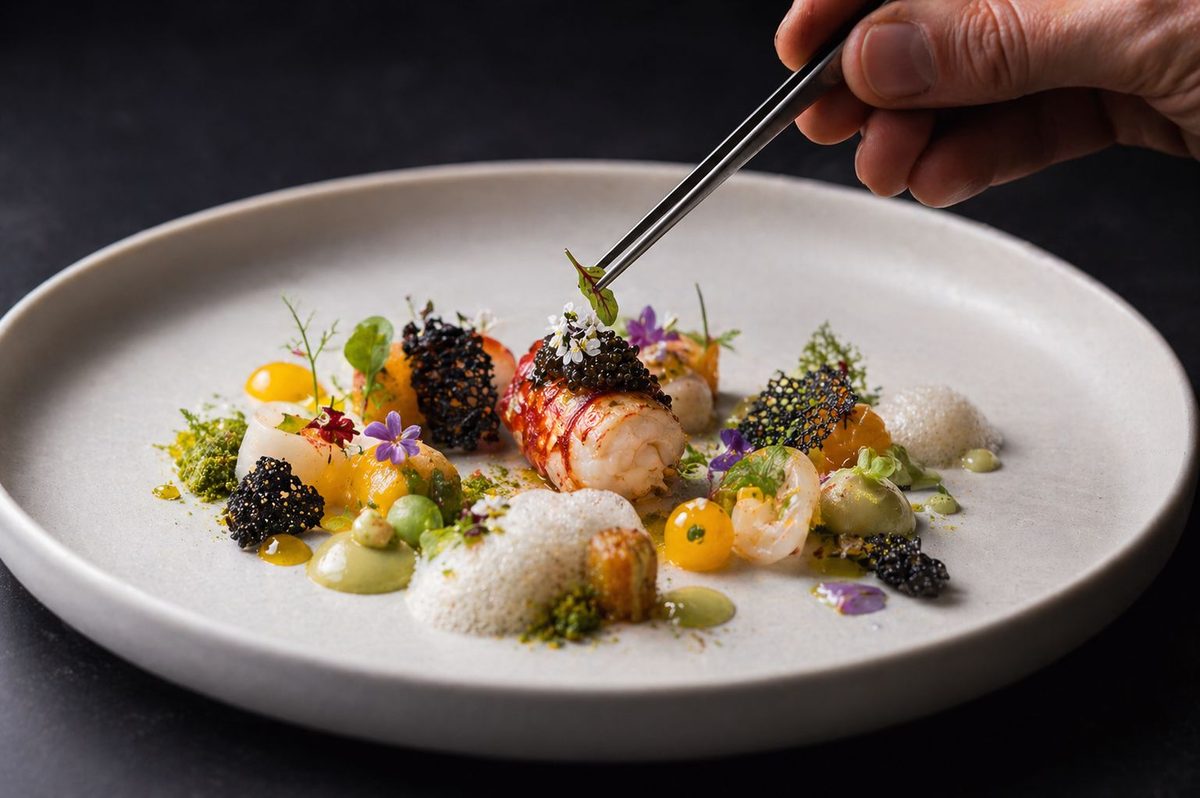
A Question Worth Taking Seriously
Would you pay $60 for a lab-grown duck breast?
That question no longer belongs to science fiction. Cultivated meat — produced from animal cells grown in controlled environments rather than from slaughtered animals — is already on the menu at a small number of commercial venues, and is moving steadily toward fine dining test kitchens. Duck, in particular, is emerging as one of the first premium proteins targeted for cultivated production.
On paper, the technology is compelling: lower environmental footprint, no animal welfare concerns, consistent quality and supply. In practice, it raises questions that no regulatory framework can answer. Not about flavour, exactly. About story. About whether a protein designed in a bioreactor can carry the same emotional weight as one tied to a farm, a farmer, a season, and a place.
For operators, chefs and hotel F&B leaders, this is not a future conversation. It is arriving now, and the position your concept takes on it will matter.
What Cultivated Meat Actually Is
Cultivated meat is produced by harvesting a small number of cells from a living animal and then growing those cells in a nutrient-rich culture medium until they form muscle tissue. The result is biologically identical to conventional cuts — the same protein structure, the same cellular composition — but produced without raising or slaughtering an animal at scale.
The production costs are falling rapidly. What cost hundreds of thousands of dollars per kilogram a decade ago now costs tens. Within a few years, at commercial scale, cultivated proteins are expected to reach price parity with premium conventional cuts. Singapore and the United States have already moved through regulatory approval for commercial sale. Australia and Europe are still deliberating, but the direction of travel is clear.
The more uncertain variable is not the science or the regulation. It is the guest.
Why Fine Dining Is the First Frontier
Luxury restaurants have always been early adopters of techniques and ingredients that later become mainstream. Molecular gastronomy, hydrocolloids, live fire cooking at premium price points — many things that are now considered part of the culinary vocabulary began as experiments in tasting menu kitchens. Cultivated proteins will likely follow the same path.
Tasting menus are the natural first context: small portions, high guest curiosity, a framework that invites the chef to present something as an experience rather than an ingredient substitution. An eco-focused resort using cultivated protein as a sustainability statement has a different conversation with its guests than a casual restaurant trying to replace chicken fillets. The framing matters as much as the product.
The cities likely to lead: Singapore, which already has commercial sale approved, San Francisco and Dubai, where tech-forward guest profiles overlap with sustainability appetite. Australia will follow as regulatory clarity arrives.
The Romance Problem
Luxury dining has never been purely about what is on the plate. It is about what the plate represents.
A fisherman's pre-dawn departure. A farmer's soil and the season it belongs to. The slope of a vineyard in a specific valley in a specific year. These narratives give food its emotional weight. Chefs know this instinctively — which is why menus name farms and fishermen and villages rather than just listing ingredients. Guests are not buying flavour alone. They are buying identity, provenance, and connection to a world beyond the dining room.
The cultivated protein challenge, at its core, is not technical. It is romantic. Can a bioreactor replace the poetry of terroir? Can "harvested from cell culture in a climate-controlled facility" carry the same narrative gravity as a named farm in a named region?
The honest answer, right now, is no. But that does not mean it cannot be rewritten. The best cultivated protein producers understand this: they are not just building a supply chain. They are building a story. A story about what it means to care about where food comes from — and to take a different path to get there.
The Chef's Real Dilemma
For chefs, the decision is not simply "can I cook it?" It is more specific than that. Does it fit the identity of the restaurant and the promise it makes to guests? Will it create or erode the emotional connection that justifies a premium price? Am I serving science, or am I serving soul — and can those two things coexist on the same menu?
Some chefs will see cultivated protein as an opportunity: a chance to lead on sustainability and innovation while maintaining luxury positioning. Others will feel that their concept's identity depends on a specific relationship with land, sea and traditional production — and that cultivated protein, however technically impressive, sits outside that identity.
Both positions are legitimate. The important thing is that the position is chosen deliberately, not defaulted into.
What This Means for Your Menu and Concept Now
Even if cultivated protein is not yet available in your market, three questions are worth answering now, before the conversation arrives with urgency.
First, what is your concept's relationship with provenance? If your positioning depends heavily on named farms, specific sourcing relationships, and the story of where food comes from, how does a lab-cultivated protein sit within that? Not necessarily badly — but the integration needs to be thought through, not improvised.
Second, what does your guest expect from the sustainability conversation? Some guest profiles will see cultivated protein as a natural extension of an environmental commitment. Others will see it as a departure from what they value in premium dining. Knowing which guest you are serving matters.
Third, where does your concept want to be seen to lead? Innovation and tradition are not mutually exclusive, but they are in tension. The operators who position themselves deliberately — either as early adopters with a credible sustainability story, or as guardians of traditional craft with a clear explanation of why — will navigate this more effectively than those who react.
The lab-grown protein dilemma is arriving whether the industry is ready or not. The concepts that engage with it thoughtfully, and early, will be better positioned to make it work for them rather than having it work against them.